
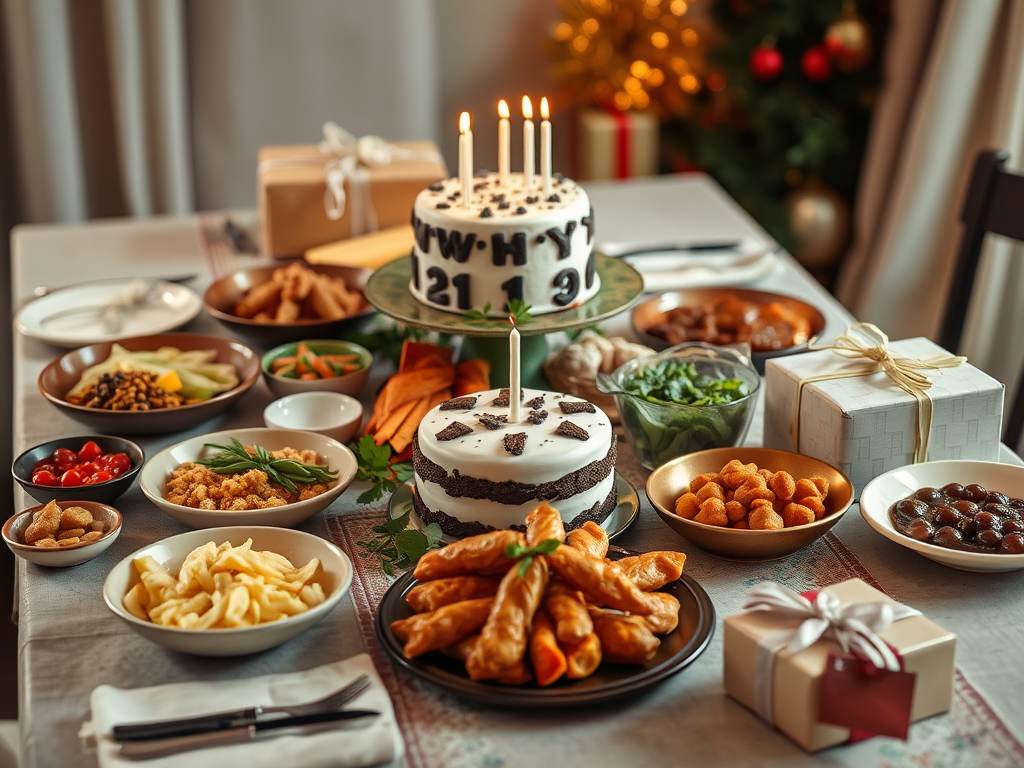
Across cultures, how we celebrate milestones, exchange gifts, and cherish holidays reveals the values that bind us. These rituals are not just acts of tradition; they are expressions of care, gratitude, and connection. As I reflect on 2024—a year filled with both new friendships and reconnections with old ones—I am reminded of how cultural differences can teach us profound lessons about relationships and belonging.
The Art of Gifting Across Cultures
Gifting is a universal gesture, but its meaning and etiquette vary greatly. In my early days traveling between China and the U.S., I would often bring gifts like goji berries, silk scarves, or embroidered slippers for friends in America. At first, I left the price tags on, thinking this would highlight the value of the gift and my appreciation for the recipient. I also handed over gifts in their original packaging, as was customary in China. However, I quickly realized the American tradition was different: removing price tags, wrapping gifts with decorative paper or gift bags, and presenting them with a touch of ceremony.
In the U.S., it’s common for the recipient to open the gift immediately and express heartfelt appreciation—often with excitement. This openness mirrors the direct communication style and emphasis on individual expression prevalent in American culture. By contrast, in cultures like China, Japan, or India, gifts are typically opened later, once the giver has left. This approach reflects a more subtle form of communication, where emotions are expressed indirectly, and harmony is preserved.
During a visit to an Indian friend’s family, I found myself urging them to open a gift I had brought—a special peony-scented candle. When they gently set it aside to open later, I caught myself realizing how “Americanized” I had become in my expectations. These moments remind me that the act of giving is less about our own cultural habits and more about honoring the traditions of those we wish to connect with.
Birthdays: Cherishing Connection in Different Ways
Growing up in 1980s China, birthdays were intimate gatherings centered around food and karaoke—a quintessential social activity. The birthday person treated close friends to a meal, creating a day of giving rather than receiving. This custom contrasts with my experience in the U.S., where friends often treated me to meals on my birthday, making me feel cherished in a way that was entirely new.
One of my most memorable birthday traditions in the U.S. occurred during my time as a graduate student. Despite our limited budgets, my friends pooled together to buy me a celebratory dinner. In the workplace, I experienced another kind gesture: colleagues and supervisors taking me out for a birthday lunch. These celebrations were smaller in scale than those in China but carried the same spirit of connection and care.
Christmas: Learning New Traditions
Christmas in China has become a festive but commercialized occasion, with colorful lights, parties, and gift-giving customs like presenting apples on Christmas Eve to wish for safety. When I moved to the U.S., I embraced Christmas wholeheartedly, though I initially misunderstood its traditions.
My first Christmas in the U.S. was spent with a close friend and her family—my “American mom.” Wanting to show my gratitude, I bought gifts for everyone: her children, her in-laws, even extended family members I barely knew. I treated Christmas like Chinese New Year, where you visit families bearing gifts. While my intentions were good, I learned that in the U.S., it’s perfectly acceptable to bring a single gift for the host or participate in a family gift exchange. Over time, I found joy in simpler traditions, like decorating the tree, exchanging thoughtful gifts, and focusing on togetherness rather than obligation.
Now, as a parent, I’ve introduced new traditions to our family. Inspired by Dr. Aliza Pressman’s podcast Raising Good Humans, I encouraged my sons to secretly choose and wrap gifts for each other. Watching their excitement as they prepared surprises brought a new kind of magic to our holiday season—one that blends the values of giving, joy, and sibling connection.
A Celebration of Connection
Whether through gifts, birthdays, or holiday celebrations, these rituals remind us of what truly matters: gratitude, connection, and shared joy. By embracing and learning from cultural differences, we can reimagine traditions that honor both the past and the present, weaving together the richness of diverse cultures.
As we approach 2025, I find myself reflecting on the traditions I’ve blended or adapted in my own life. They are a testament to the beauty of diversity and the universal desire to connect.
What traditions have you reimagined or blended? Let’s celebrate the ways we honor care, connection, and shared humanity in all their forms.
 Teak & Tale
Leave a comment