
A tribute to my roots, reminiscences, and reflection on values
Honoring Traditions as Lunar New Year Comes to a Close
Tomorrow marks the Chinese Lantern Festival, the grand finale of the 15-day Lunar New Year celebration, also known as the Spring Festival. I have always loved this name, as it signals the end of winter and the arrival of spring—a season of renewal and new beginnings. This year, in the Year of the Snake (my zodiac year), I had the privilege of celebrating my Chinese heritage at my kids’ school. We read books about Lunar New Year, explored paper-cutting art, introduced the 12 Zodiac animals, and even tried a lion dance with a homemade cardboard lion head. Reading these books to children made my eyes watery, reminding me of the magic this festival held for me as a child.
This experience inspired me to share what makes this festival so special, especially for children.
Why is the Lunar New Year So Important?
During this time, millions of people across China embark on an extraordinary journey home, a phenomenon known as “Spring Transportation.” No matter how far they live, reuniting with family for the New Year is an unwavering mission. But why? Why endure the packed trains, soaring ticket prices, and long hours of travel?
Traditionally, the Lunar New Year was a time to celebrate survival—making it through another year, whether overcoming hardships or enjoying success. It was a time to honor the harvest, cherish loved ones, and reaffirm the values of peace and harmony. Even today, as times have changed, the essence of family togetherness remains at the heart of the celebration.
How Do We Celebrate?
Preparation for the Lunar New Year is extensive. Families engage in deep cleaning to sweep away bad luck, decorate their homes with festive items, and stock up on traditional snacks and new clothes. Red envelopes, a symbol of prosperity, are carefully prepared for children. The focus of celebrating is “Letting Go of the Old, Welcoming the New“.
Unlike Thanksgiving in the U.S., where families gather for a single meal, Lunar New Year celebrations stretch over multiple days. Families take turns hosting lavish feasts, sometimes starting as early as the 25th day of the lunar calendar and continuing well past the New Year.
Interestingly, while resolutions play a big role in Western New Year traditions, Chinese New Year wishes remain simple and consistent: prosperity, safety, health, and happiness.
Shopping for the Lunar New Year is another cherished tradition, much like the back-to-school shopping season in the U.S. Just as American students eagerly anticipate new school supplies and outfits for the academic year, Chinese families prepare by buying fresh clothing, accessories, and festive decorations. For children, the excitement of receiving brand-new outfits from head to toe, a fresh haircut, and the anticipation of wearing their best clothes for family gatherings adds to the magic of the season.
Why Kids Love this Holiday?
For Chinese children, Lunar New Year is equivalent to Christmas in excitement. In my childhood, this was the New Year—the Western New Year was just another day. The anticipation built for months, much like a holiday countdown.
Imagine a child’s delight at receiving brand-new outfits from head to toe, a fresh haircut, and, best of all, red envelopes filled with money from parents, grandparents, uncles, and aunts. The total sum could reach thousands of RMB, making it an especially thrilling occasion.
Additionally, students enjoyed a month-long winter break, spent with extended family and friends, adding to the festival’s magic. The joy of reuniting with loved ones and embracing new beginnings made it an unforgettable time of the year.
The Lantern Festival: The Grand Finale
As the New Year celebrations come to an end, the Lantern Festival brings an extra layer of enchantment.
Each region has its own unique traditions. In my village, the wooden dragon dance fascinated me as a child. Handcrafted and vivid, the dragons stretched over 100 meters, carried by 100 strong men. The way they twisted and turned through the village was mesmerizing.
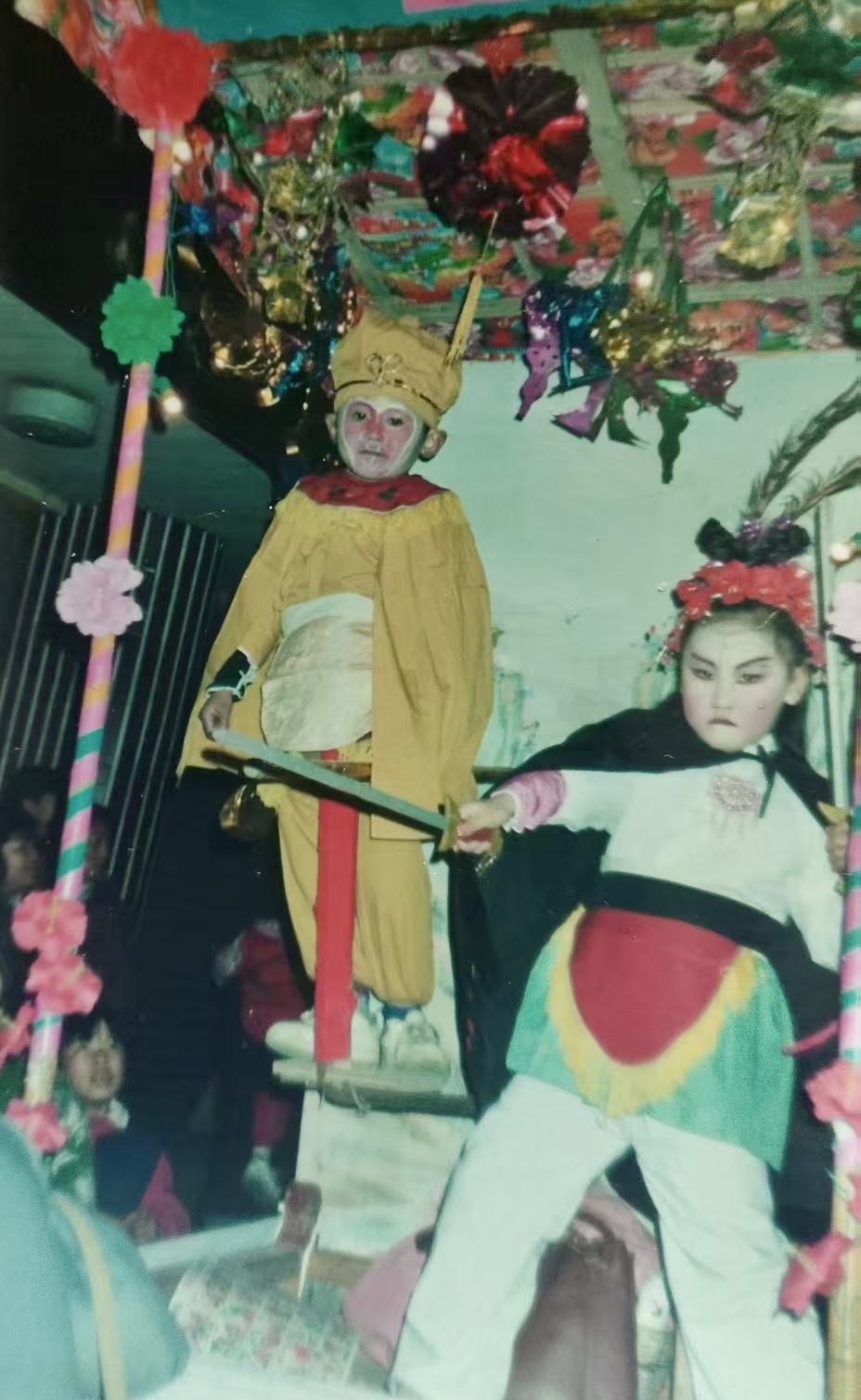
In my mother’s hometown, another cherished tradition involved young children dressing in elaborate costumes and riding on beautifully decorated sedan chairs, reenacting classic Chinese tales. I once had the honor of playing Bai Gu Jing in a scene from Journey to the West, fighting the Monkey King.
A Cultural Paradox: Reserved Yet Enthusiastic
However, Lunar New Year is when enthusiasm takes center stage.
- Hospitality is magnified: If a dear friend visits during the festival, the host covers everything—lodging, meals, and transportation. It’s an unspoken rule, a gesture of generosity regardless of financial status.
- Dinner gatherings bring out our liveliness: The more drinks poured, the more animated the conversations become.
- Celebration lasts for 15 days: A nonstop rotation of feasts, celebrations, and reunions.
Even beyond the New Year, Chinese people express enthusiasm in different ways. The younger generation bonds over poker nights, jubensha (scripted role-playing games), and glamping trips.
Final Reflection: Finding Common Ground
Living and working as a cultural minority has taught me that no matter how different traditions may seem, there is always a way to connect on a human level. Culture influences how we express emotions, show hospitality, and celebrate milestones. But at the core, we all cherish togetherness, joy, and shared experiences.
What traditions in your culture bring people together with the same spirit of enthusiasm and hospitality? Let’s celebrate the beauty of diversity and connection.
 Teak & Tale
Leave a comment